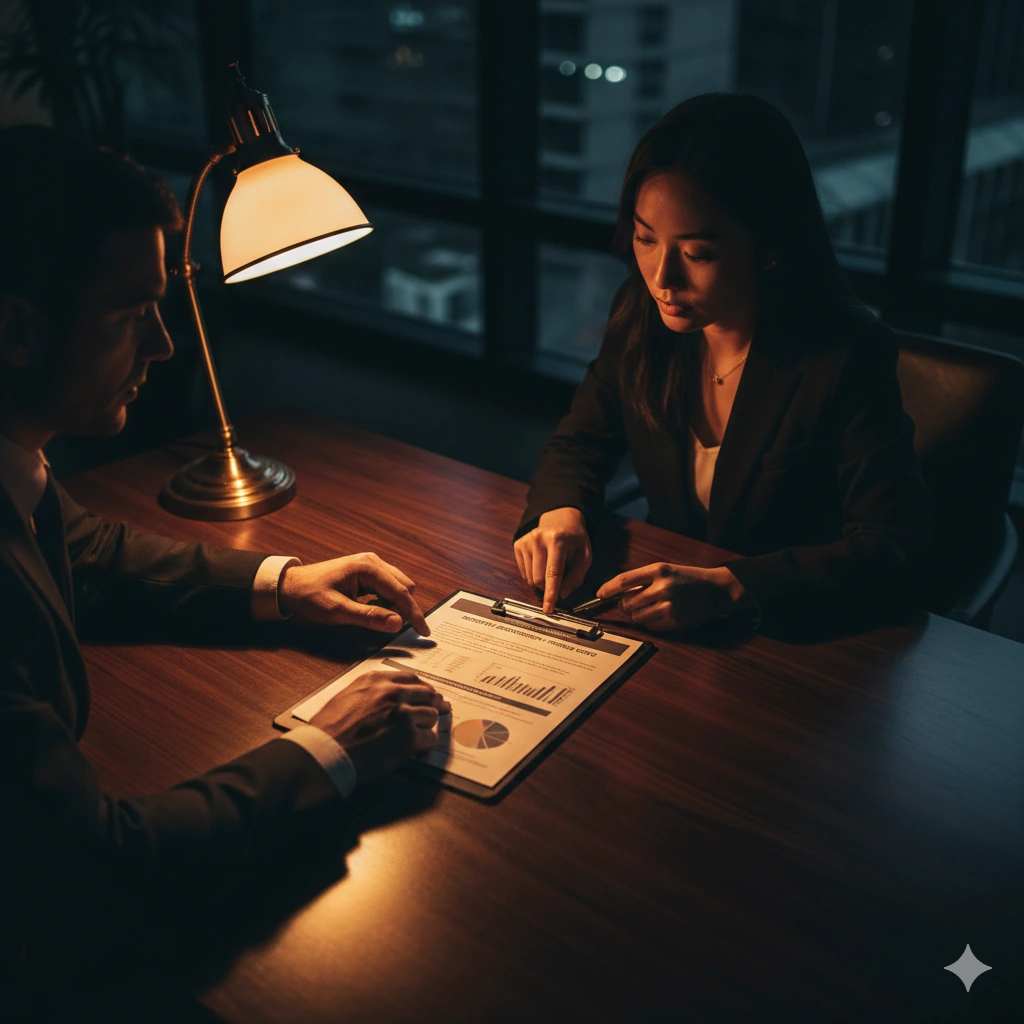
The moment someone starts suspecting a spouse of cheating is the moment they are most likely to do something that damages their own case. They install a tracker on a car titled in the spouse's name. They guess the password to an email account. They record a phone call they were not a party to. Every one of those moves feels justified at 2 AM, and every one of them can hand the other side a weapon: suppressed evidence, a civil claim, in some cases criminal exposure. The entire value of a licensed private investigator in an infidelity case is doing legally what a suspicious spouse cannot: documenting the truth in a form that survives a courtroom.
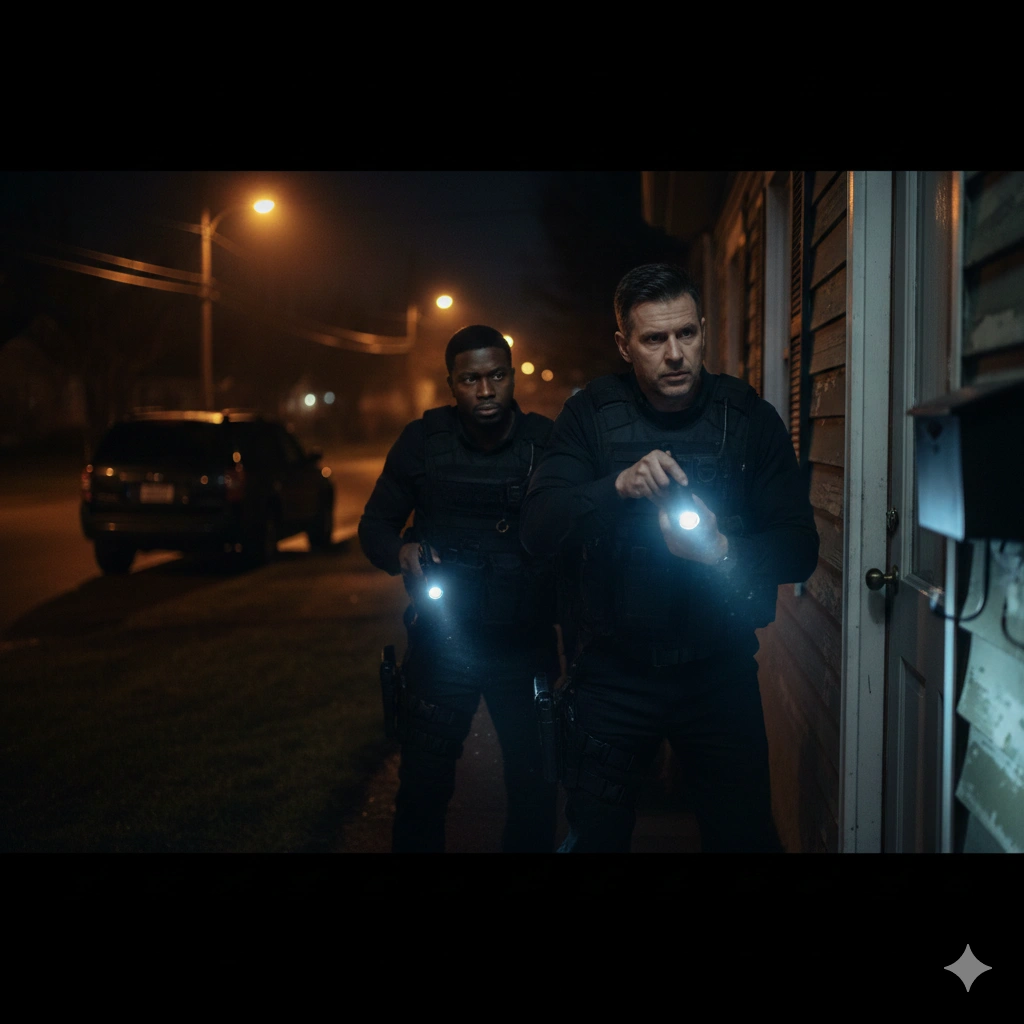
Start with what a licensed Texas investigator can do, because it is more than most people assume. Anything visible from a place the investigator has a right to be is fair game: who your spouse meets, where they go, when they arrive and leave, whose house the car sits in front of overnight, all photographed and time-stamped from public streets, parking lots, restaurants, and other public places. An investigator can run lawful database and records work: property records, business filings, court histories that surface a pattern or a second life. They can document lifestyle facts that matter in a divorce, such as spending patterns visible in public or a boyfriend or girlfriend being introduced to your children during custody periods. And they can package all of it into a report with a chain of documentation, ready for a family-law attorney, and testify to it if the case goes to trial.
Now the other list, and this one applies to everyone, licensed or not. Nobody can legally put a GPS tracker on a vehicle owned or leased by another person; Texas Penal Code 16.06 makes unlawful installation of a tracking device a crime, and "we're still married" does not transfer title to your spouse's car. Nobody can intercept phone calls or read communications they are not a party to without consent; that is wiretapping territory under state and federal law. Nobody can access a spouse's email, phone, or social accounts by guessing or reusing a password; unauthorized access is a crime even inside a marriage. Nobody can trespass to get a photo, plant a recorder in a bedroom, or impersonate someone to obtain phone records. An investigator who offers any of this is offering to convert your evidence into your liability, and unlicensed operators who advertise cheap "catch a cheater" packages live almost entirely in this territory.
This is also why the do-it-yourself route fails even when it succeeds. Suppose the phone snooping works and you find the messages. What you have is evidence you may not be able to use, obtained in a way opposing counsel will make the centerpiece of the case, and a judge's first impression of you as someone who breaks rules under pressure, in the exact proceeding where custody and property turn on credibility. A licensed investigator's surveillance file does the opposite: it is boring, methodical, time-stamped, lawful, and very hard to argue with. In family court, the boring file wins.
What does infidelity evidence actually do in Texas? More than people think. Texas allows fault-based divorce, and adultery is one of the statutory fault grounds. Proven adultery can support a disproportionate division of the community estate: Texas is a community property state, and fault is one of the factors courts may weigh when splitting it unevenly. It can matter to spousal maintenance. And when the affair intersects with the children, whether through a new partner around the kids during possession periods or money from the community estate spent on the affair, it feeds directly into custody arguments and reimbursement claims. Your family lawyer decides how to deploy it; the investigator's job is to hand the lawyer something deployable.
Timing matters more than clients expect. The best window for an infidelity investigation is before the spouse knows anyone is looking. Patterns are natural, routines are unguarded, and two or three well-chosen surveillance windows often answer the question. Once suspicion is voiced, behavior changes and the same answer costs more hours. This is also where a defined objective keeps the budget sane: "document who my spouse is with during the Thursday overtime shifts" is a bounded operation; "follow them until something happens" is an open checkbook. A good investigator will push you toward the first framing in the consultation, before any hours bill.
One more thing worth saying plainly: sometimes the answer is no. A meaningful share of infidelity investigations end with a spouse doing exactly what they said they were doing, and a professional firm treats that as a successful outcome: the question answered, the marriage's next conversation grounded in fact instead of fear. Be wary of any investigator who seems invested in finding an affair; the job is finding the truth.
EJR Agency has handled confidential infidelity and domestic investigations across Dallas-Fort Worth for four decades, under Texas DPS licensing, with discreet surveillance teams and court-ready documentation. Every case starts with a private consultation covering what you suspect, what evidence would actually change your situation, and what it realistically takes to get it. What you tell us stays in the case file. Call the operations desk and ask for a confidential investigations consult.