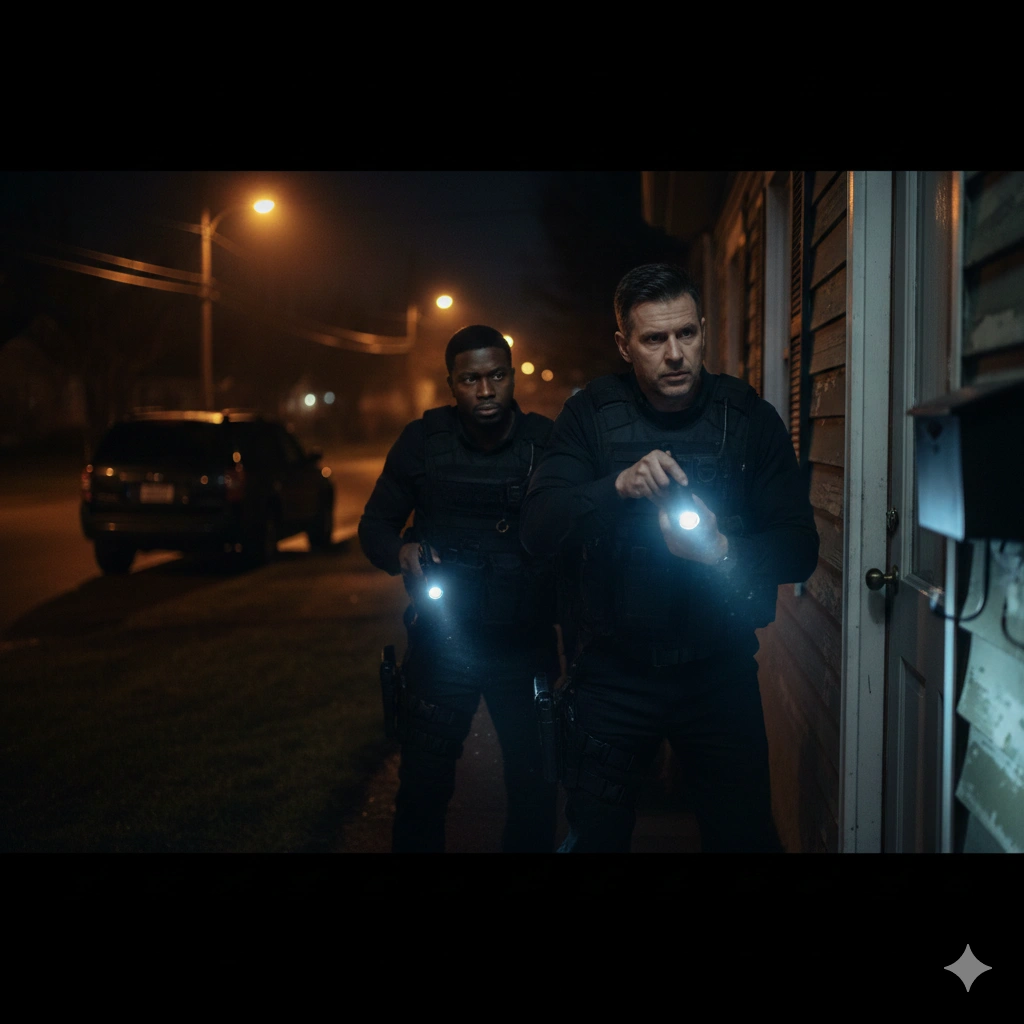
Ask what a private investigator costs and you will get the same answer from every honest firm in Texas: it depends on the case. That answer frustrates people, but it is not evasion. A two-hour background check and a three-week surveillance operation are as different as an oil change and an engine rebuild, and pricing them the same way would mean overcharging one client to subsidize the other. What is completely knowable, though, is the set of factors that drive the number. Understand those, and you can read any investigator's proposal intelligently, compare firms on equal footing, and structure your case so the budget goes where it actually moves the outcome.
The first and largest driver is the type of work, because different investigative tasks consume time at completely different rates. Records-based work (background checks, asset searches, database research, skip tracing) is measured in hours and produces results quickly when the subject's paper trail cooperates. Surveillance is the opposite end of the scale: it is billed by the hour, it frequently requires long unbroken blocks of time to produce anything usable, and the subject's schedule, not the investigator's, dictates how many of those blocks it takes. Infidelity cases, child custody investigations, and workers' compensation cases live mostly in surveillance territory, which is why they cost more than a records pull even when the question sounds simpler.
The second driver is manpower. A single investigator can handle a fixed surveillance point or a straightforward records case. The moment a subject is mobile, driving between locations, moving through crowds, entering buildings with multiple exits, one investigator alone risks losing them or getting noticed, and a burned surveillance is money already spent producing footage you can no longer use. Two-investigator coverage costs more per hour and is often the cheaper option overall, because it dramatically raises the odds that the hours you buy actually produce the evidence you need. An experienced firm will tell you honestly which cases need a team and which do not; a firm that quotes one investigator for a moving-surveillance custody case is quoting a price, not a plan.
Then come the multipliers people forget to ask about. Travel outside the investigator's home market adds mileage and time. Specialized records carry their own third-party fees, including court document retrieval, certified copies, and out-of-state database access. Reports formatted for court use take longer than verbal updates. And if the case is headed to litigation, budget for the investigator's deposition or courtroom testimony, which is billed separately from the fieldwork. None of these are hidden fees at a reputable firm; they are line items you should see in the proposal before you sign, and their absence from a quote is a warning sign, not a discount.
Most Texas investigation firms, ours included, work on a retainer model: an upfront deposit that fieldwork bills against, replenished if the case continues. The retainer is not the price of the case. It is the tank of gas the case starts with. What matters is the hourly rate it bills against, what that rate includes (mileage, report writing, video processing), and how the firm communicates when the retainer is running low. A firm that calls you at the halfway point with findings and a recommendation, whether to continue, adjust, or stop, is managing your money like it is theirs. A firm that goes quiet until the retainer is gone is not.
Here is what actually controls cost more than any rate comparison: how tightly the objective is defined. "Find out what my ex does on weekends" is an open-ended surveillance contract. "Confirm whether my ex takes the children to her boyfriend's house during my custody periods on the next two exchange weekends" is a bounded operation with a decision point built in. The second version costs a fraction of the first and produces evidence a family lawyer can actually use. The best money-saving move in any PI engagement happens before the first hour is billed, in the consultation where a good investigator narrows what you are really trying to prove and tells you plainly when surveillance is not the right tool for it.
A word on the cheap quote, because Texas has a licensing floor that bargain operators live below. Legitimate investigators in Texas work for a licensed investigations company regulated by the Department of Public Safety under the Private Security Act (Occupations Code Chapter 1702). Unlicensed investigation work is a criminal offense, evidence gathered by an unlicensed operator can be challenged or excluded exactly when you need it most, and techniques that break the law, such as tracking devices on vehicles the client doesn't own, intercepted communications, or pretexted phone records, can convert your case from an asset into a liability. When one quote is dramatically below the others, the difference is usually licensing, insurance, and legality. That is not the corner to cut on a case that touches your marriage, your children, or your business.
EJR Agency has run licensed private investigations across Dallas-Fort Worth for four decades, covering surveillance, background checks, asset searches, skip tracing, infidelity and custody cases, and corporate matters, under Texas DPS licensing. Every case starts with a confidential consultation where we scope the objective, tell you what it realistically takes, and put the full cost structure in writing before any fieldwork begins. If the honest answer is that your question can be answered with a records pull instead of a week of surveillance, that is the answer you will get. Call our operations desk to talk through the case confidentially.