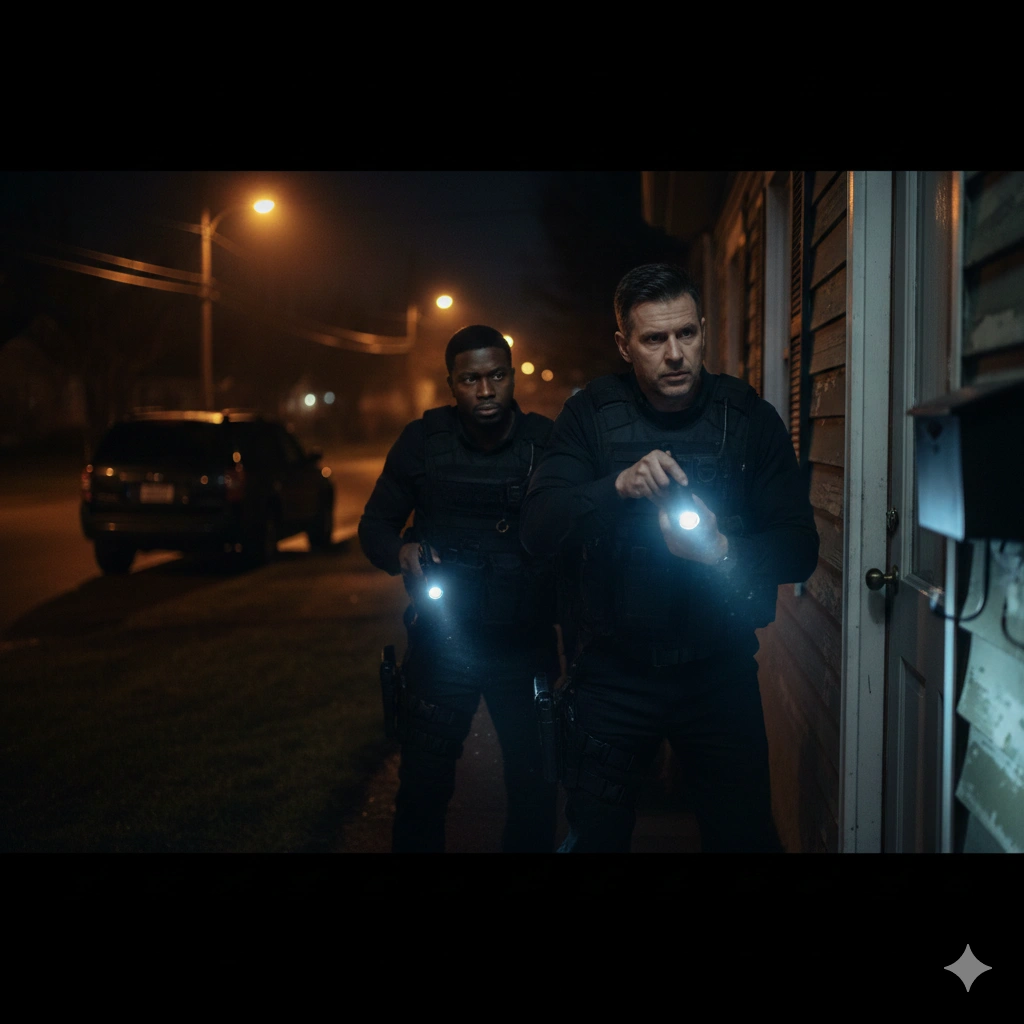
The bounty hunter of television, a freelance operator who tracks down a fugitive for a cash reward and kicks in whatever door he likes, does not exist in Texas. The reality is narrower, more regulated, and far less cinematic. When a defendant skips bail in Texas, someone does have to find them and bring them back to court, but state law is specific about who may legally do that work and how. Understanding those limits matters, because the gap between lawful fugitive recovery and a rogue apprehension is where lawsuits, criminal charges, and ruined cases live.
Start with the single most important fact: Texas does not issue a standalone "bounty hunter" license. Unlike a handful of states that license bounty hunters as their own category, Texas channels the work through existing law. In practice, the people who may lawfully apprehend a bail jumper are limited to a narrow group: a peace officer, the bail bond surety (the bondsman who wrote the bond), or an agent authorized by that surety who is properly licensed, typically a private investigator or commissioned security professional credentialed under the Texas Private Security Act (Occupations Code Chapter 1702). A freelance, unlicensed "bounty hunter" generally has no lawful authority to make these apprehensions in Texas. That distinction is the entire ballgame.
The authority itself flows from the bond. When a defendant fails to appear, the surety who posted the bond is on the hook to the court for the full amount, which is what gives the surety a powerful legal interest in returning the principal. Under the Texas Code of Criminal Procedure (Article 17.19), a surety who believes their principal is going to skip can file an affidavit and obtain a warrant for the principal's arrest and surrender. A licensed recovery agent works under that authority and under the bail agreement the defendant signed, not under some independent license to hunt people. The agent is acting as the surety's authorized, licensed extension, which is exactly why the licensing and authorization matter so much.
Within those bounds, a professional recovery operation can do a great deal. Lawful work includes skip tracing and investigation to locate a principal who has gone dark, surveillance to confirm their whereabouts and pattern, coordination with the principal's family or attorney toward a voluntary surrender, apprehension of the principal under the surety's authority, and coordinated handoff to the proper county facility. Much of the best recovery work never involves a dramatic confrontation at all. It is investigative, it is patient, and it ends with a surrender arranged in advance. This is also where fugitive recovery overlaps heavily with private investigations and skip tracing, which is why licensed investigators are so often the ones doing it well.
Just as important is what a recovery agent cannot do. An agent may not impersonate a peace officer, a common and serious line that rogue operators cross. An agent may not use excessive force. And the authority that runs to the principal under the bail contract does not translate into a right to break into a third party's home or to enter wherever the agent pleases; the legal interest is in the principal, not unlimited access to other people's property. Cross those lines and the consequences are severe: criminal liability for the agent, civil liability for the agent and potentially the bondsman, and the very real possibility of blowing up the recovery and the underlying case. High-profile incidents around the country have pushed states to tighten these rules precisely because unlicensed, untrained operators get people hurt.
This is the core reason licensing is not a technicality. A licensed fugitive recovery operation, run by professionals credentialed under Chapter 1702, carries training, insurance, and legal accountability that a freelance operator simply does not. A botched apprehension by an unlicensed actor can void the recovery, generate lawsuits against everyone in the chain, endanger bystanders, and hand a defense attorney a gift. Bondsmen who understand the exposure protect themselves by working only with licensed professionals, because the cost of a recovery gone wrong dwarfs the cost of doing it correctly.
Done properly, the process is methodical. It begins with intake from the bonding company or the court and confirmation of the legal authority to proceed. From there it moves to skip tracing and investigation, surveillance to establish location and pattern, an attempt to arrange a voluntary surrender wherever possible, a planned and lawful apprehension when necessary, and surrender of the principal to the proper county, all of it documented. For the bondsman, that documentation and professionalism is what protects the bond and the business. The same investigative discipline that drives a good private investigation drives a good recovery, and the handoff often connects to secure inmate and prisoner transport when a principal has to be moved across counties or jurisdictions.
EJR Agency has worked across the full investigative and recovery spectrum in Dallas-Fort Worth for more than 40 years, holding Texas licensing and working alongside bondsmen, defense attorneys, and the courts. Our fugitive recovery work pairs skip tracing and surveillance with lawful, coordinated apprehension and surrender: the licensed, accountable version of this work, not the television version. For bail bond recovery, skip tracing, or coordinated surrender and transport anywhere in the metroplex, our 24/7 operations desk can begin a case review today.