When the 2026 FIFA World Cup kicks off on June 11, the Dallas-Fort Worth metroplex becomes one of the most important stops on the global tournament map. Across the next six weeks, Arlington's AT&T Stadium will host nine matches, among the highest match counts of any of the eleven United States host venues, culminating in a semifinal that will draw a billion-plus global viewers. The tournament has expanded to 48 teams and 104 matches across the United States, Canada, and Mexico, making this the largest international sporting event the region has ever hosted. For DFW security operators, property managers, hospitality venues, and corporate hosts, the next six weeks compress a year's worth of high-profile activity into a single window.
AT&T Stadium seats over 80,000 with standing room pushing total capacity above 100,000 for major events. Multiply that by nine matchdays plus open training sessions, official FIFA Fan Festival programming across Dallas, Fort Worth, and Arlington, and the ancillary corporate hospitality activity that follows the tournament wherever it goes, and the metroplex will absorb hundreds of thousands of international visitors over the course of the window. Hotels in Arlington, Grapevine, Las Colinas, downtown Dallas, and Sundance Square will run at full capacity. Short-term rental inventory across Tarrant and Dallas counties has been booking for months. Transportation corridors connecting DFW International Airport, downtown Dallas, downtown Fort Worth, and the Arlington Entertainment District will operate at unprecedented load. The operational baseline that holds during a normal NFL season does not hold during a World Cup.
For event producers, venue operators, and any DFW property hosting watch parties, the planning standard runs higher than a typical regional event. Crowd dynamics at major international football matches differ from American sporting culture: international supporter groups travel as cohesive units, fan sections operate with their own internal coordination, and crowd density at entry points runs higher than typical NFL or college games. The general industry guideline of one security officer per 100 attendees rises substantially for events with alcohol service, multiple fan group interactions, and international ID verification requirements. Bag check throughput at major stadium events averages 200 to 300 people per lane per hour, which means every entry point needs sufficient staffing to clear queues before kickoff. Professional event security planning that accounts for those realities is the difference between a venue that runs smoothly and one that ends up on the news.
Watch parties at bars, restaurants, breweries, hotel ballrooms, corporate hospitality suites, and event halls across Deep Ellum, West 7th, Bishop Arts, Uptown Dallas, and Sundance Square will draw crowds three to five times normal capacity when a popular national team is on the pitch. Knockout-round matches that go to extra time and penalties extend alcohol service well past normal windows. Dramatic finishes, disputed referee decisions, and high-stakes elimination matches consistently produce higher rates of altercations and ejections than baseline events. Any DFW venue running World Cup programming should plan event security staffing for those dynamics specifically, with crowd management and de-escalation-trained officers in the right positions at the right times.
Hotels and hospitality properties across DFW will see occupancy levels that exceed even peak Super Bowl windows. International travelers, FIFA officials, broadcast crews, team delegations, corporate hospitality groups, and tourist families will share lobbies, parking structures, and common areas at full capacity for weeks. The general security posture that works at 75 percent occupancy breaks down at 100 percent occupancy with high-value luggage, international currency, expensive electronics, and unfamiliar guests moving through the property at all hours. 24-hour security coverage at properties that ordinarily run partial-shift contracts becomes the operational standard for major host-city windows. Documented continuous coverage also matters for insurance purposes, since most hospitality carriers track event-window security posture for liability evaluation.
For DFW short-term rental hosts, and there are tens of thousands of Airbnb and VRBO units across Arlington, Grapevine, Irving, downtown Dallas, Fort Worth, and the surrounding suburbs, the World Cup is the largest single-occupancy event the local rental market has ever seen. Many hosts are renting to international guests, large groups, multi-night turnover, and high-end clientele for the first time. Property protection considerations that ordinarily do not appear become relevant fast: overnight mobile patrol checks during turnover windows, perimeter security between guest stays, and surveillance of high-density rental neighborhoods. Hosts managing multiple units within a metro area frequently use mobile patrol services to provide documented overnight verification across their portfolio without dedicating a full-time guard to a single property.
Apartment and multifamily properties near AT&T Stadium, throughout the Arlington Entertainment District, along the Cotton Belt corridor, and across the tourist-adjacent neighborhoods of Dallas and Fort Worth will experience traffic patterns that differ meaningfully from baseline. Increased visitor volume, package and delivery rates running well above normal, unfamiliar vehicles in resident parking areas, and residents hosting watch parties all compound the standard apartment security workload. Communities that ordinarily operate with overnight-only coverage or weekend mobile patrol may need to scale to 24-hour static coverage for the tournament window. Properties marketing themselves to corporate housing and short-term lease guests during the World Cup face additional considerations around access control, key management, and incident documentation that the standard apartment security model does not always address.
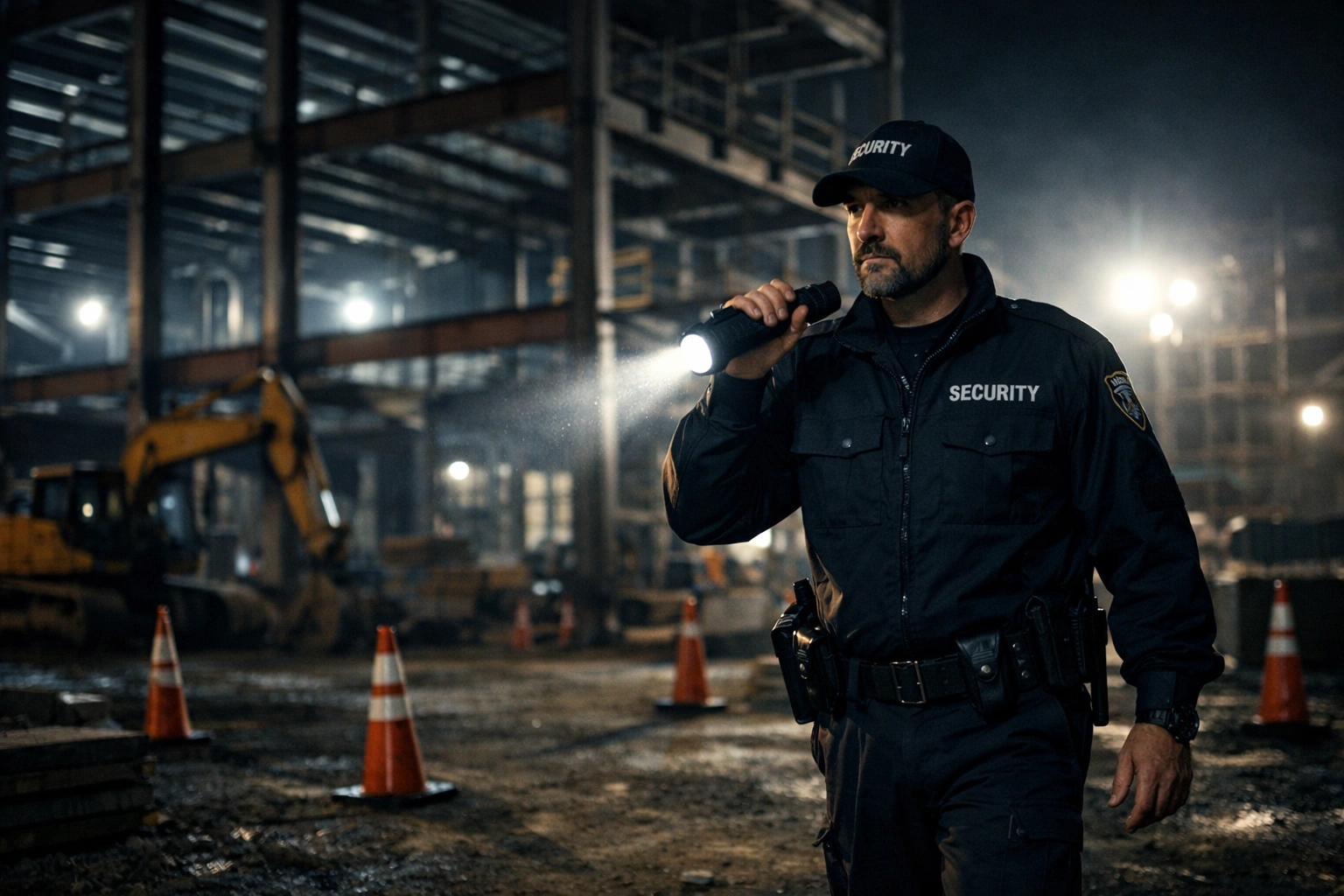
Construction sites across the metroplex face heightened risk during major event windows. Texas already leads the nation in construction equipment theft, accounting for roughly 24 percent of all reported incidents nationally, and event-driven, low-supervision overnight windows compound that baseline risk. Tournament traffic congestion can delay law enforcement response to active job sites. Out-of-town visitors expand the pool of opportunistic actors operating across the metro. For active sites near host venues, fan zones, and high-traffic hotel corridors, the standard model of after-hours and weekend coverage may need to scale to true 24-hour construction site security during the window. Copper, lumber, tools, and heavy equipment staged on site overnight are at elevated risk precisely when supervision is thinnest.
The 2026 World Cup will bring a corporate hospitality presence to DFW unlike any previous regional event. Sponsor executives, broadcast network principals, FIFA officials, sovereign wealth representatives, dignitaries, celebrity attendees, and high-net-worth individuals from across the world will travel through the metroplex for matches. For corporate hosts, family offices, and law firms serving international clients during the tournament, executive protection, including Texas Level IV commissioned close protection officers, advance work at venues and hotels, and secure transportation coordination, becomes a planning consideration rather than an emergency response. Booking close protection details for the tournament window now is meaningfully different from attempting to book mid-tournament when the available licensed roster is already committed.
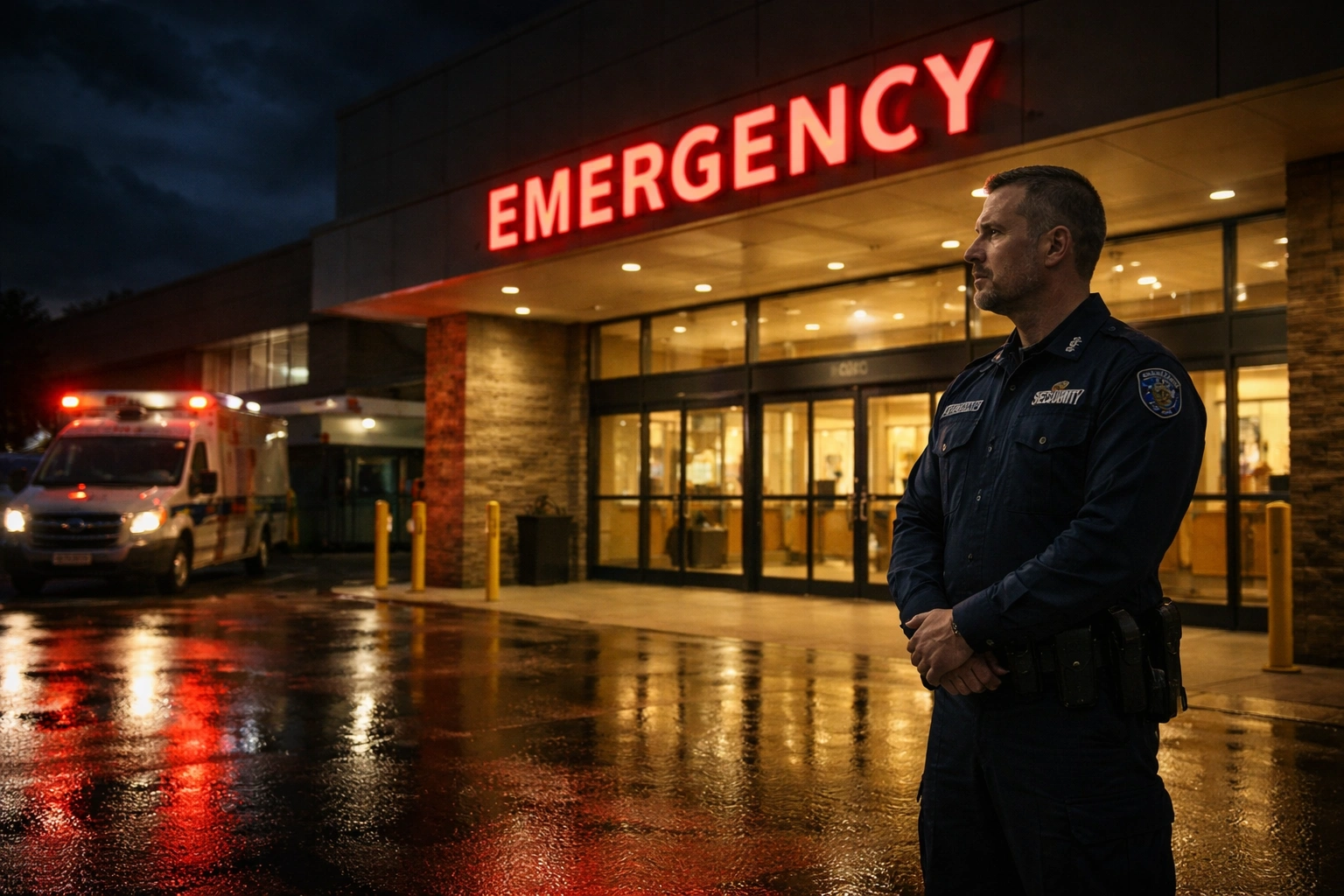
Specific environments during the World Cup window justify armed security beyond the standard baseline. Corporate hospitality suites managing high-value cash flows, broadcast equipment compounds, official FIFA logistics hubs, merchandise warehouses staged for tournament distribution, and certain critical infrastructure facilities benefit from armed security presence. Texas armed Level III and IV officers carry the licensing, training, and insurance coverage that the threat profile of those environments requires. The decision between armed and unarmed coverage is a function of specific environment and risk assessment. Not every venue requires armed staffing, but for the environments that do, the gap between professional armed security guards and improvised coverage is substantial.
Dallas, Fort Worth, and Arlington each maintain dedicated Special Events units, and the City of Arlington has been coordinating World Cup operations across multiple agencies for over two years. Both Dallas PD and Fort Worth PD operate formal off-duty officer programs that event organizers can use to supplement private security for events on public property or events affecting public safety. The City of Dallas requires a Special Event Permit for large public gatherings, and the security plan submitted with that permit must detail staffing, access control, emergency procedures, and law enforcement coordination. For private events on private property, the permit framework differs, but coordination with municipal authorities remains a planning priority for any event of meaningful scale during the tournament window.
The single most important operational reality of the DFW security market during the World Cup is that licensed officer supply is finite. Texas DPS-licensed security officers are not infinitely available at the moment they are needed. The regional roster is fixed, and demand during a major event window saturates that roster fast. Security companies committing properly to the World Cup window booked their event coverage months ago. For event producers, venue operators, property managers, hospitality operators, and corporate hosts still in planning mode, the booking decision needs to happen now, not in the days leading up to specific matchdays. Emergency security deployment is possible for genuinely unexpected situations, but the rates and availability that hold during a normal week do not hold during a tournament window when every licensed officer in the metroplex is already on assignment.
The 2026 World Cup is the largest international event the Dallas-Fort Worth metroplex has ever hosted. Six weeks, nine matches at AT&T Stadium, fan festivals across the metro, hundreds of thousands of international visitors, and a concentrated window of activity that will define DFW's global profile for a generation. The security operators, property managers, hospitality venues, corporate hosts, and event producers who treat the next six weeks as a planning priority rather than a logistics afterthought are the ones who will come out the other side with their properties, guests, and operations intact. EJR Agency has run commercial security contracts across the DFW metroplex since 1983. For event security, executive protection, 24-hour security coverage, apartment security, mobile patrol, or armed security during the tournament window, our 24/7 operations desk can begin a site assessment and staffing plan today. The earlier the conversation starts, the more options remain on the table.